





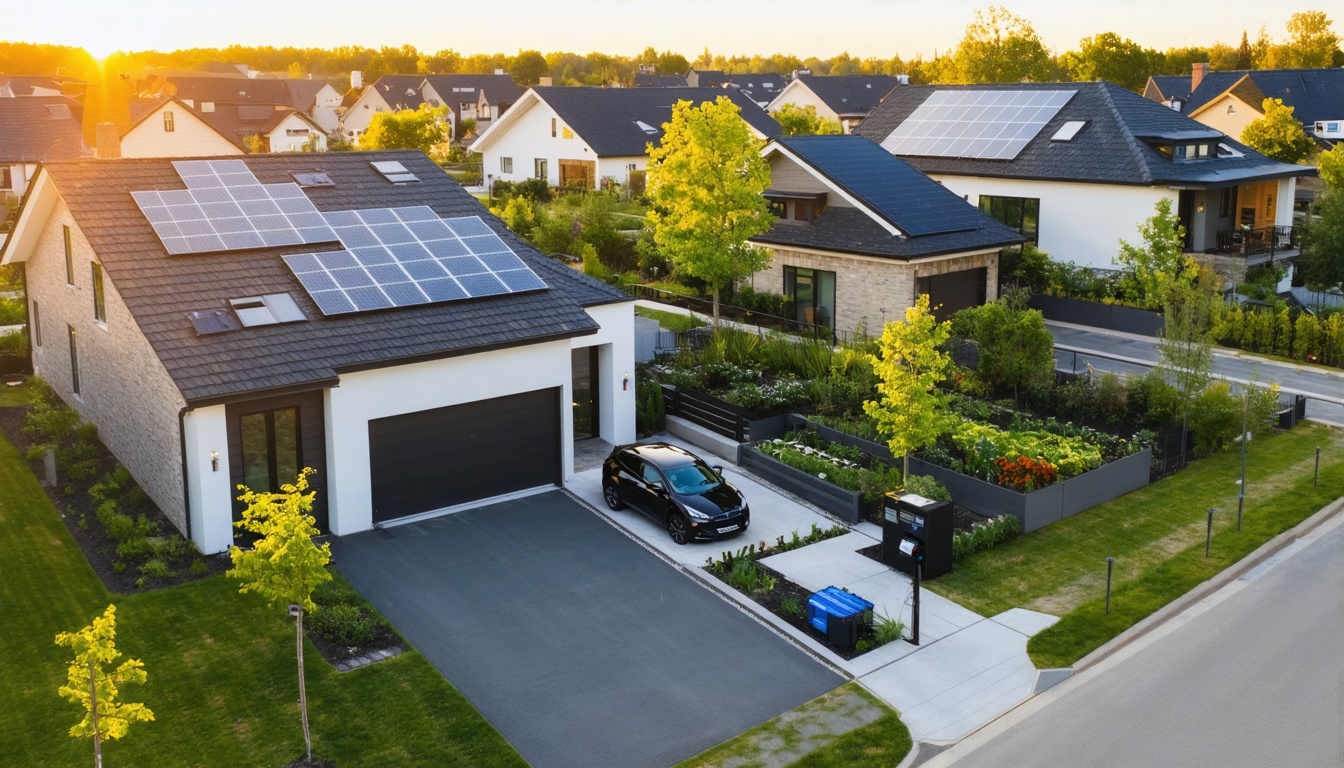
How Solar Energy Helps Households Build a More Sustainable Future
Switching to solar power can decrease energy costs and contribute to a more sustainable lifestyle. As energy prices continue to rise and concerns about climate change become more prominent, homeowners may consider the implications of utilizing solar energy. Using solar panels allows households to reduce their reliance on fossil fuels, which can help diminish their carbon footprint. Solar energy systems typically lead to an increase in property value. Research indicates that homes equipped with solar installations often sell for a premium compared to those without. Additionally, various incentives—such as tax credits and rebates—are available to homeowners who invest in solar energy, further enhancing the financial benefits. Furthermore, adopting solar energy promotes energy independence, enabling households to generate their own electricity. This shift can lessen the impact of fluctuating energy prices and increase resilience against grid outages. Overall, transitioning to solar energy not only has potential economic advantages but also plays a significant role in supporting a sustainable future.
The Importance of Residential Solar Power
The transition to renewable energy has led to a notable increase in the adoption of residential solar power. The installation of solar panels enables homeowners to generate their own electricity, which can result in lower energy costs and reduced reliance on traditional fuel sources. This transition offers some protection against fluctuations in energy prices and supports the goal of energy independence.
Solar photovoltaic technology generates electricity with zero emissions during operation, making it a viable option for reducing the environmental impacts associated with fossil fuel consumption. This move towards cleaner energy sources is important in addressing climate change and its effects.
Furthermore, there are various tax incentives available that can help reduce the financial burden of installation, such as those offered by Solar Installation in Bridgeport, CT, enhancing accessibility.
In many cases, excess electricity produced can be fed back into the energy grid, allowing homeowners to receive additional financial benefits. As a growing number of households adopt solar power, there is potential for a more widespread transition to sustainable energy practices, aligning with the broader aim of fostering an environmentally sustainable future.
Installation and Operation of Solar Panels
The installation of solar panels commences with a detailed evaluation of a property's suitability for solar energy generation. This assessment focuses on several critical factors, including roof orientation, shading conditions, and the total sunlight exposure the location receives. These elements are essential as they directly affect the efficiency of energy production.
Solar panels are generally mounted on rooftops using sturdy mounting systems designed to ensure stability and optimal performance throughout their operational life. Following installation, these panels are linked to inverters, which convert the collected solar energy into usable electricity for residential systems.
The implementation of solar photovoltaic technology enables homeowners to produce renewable energy. This shift contributes to the reduction of greenhouse gas emissions and supports more sustainable energy practices. Utilizing solar energy systems reduces reliance on fossil fuels, thereby contributing to a decrease in the carbon footprint related to electricity usage.
In addition to this, ongoing advancements in solar technology, along with initiatives aimed at recycling solar panels, improve the operational efficiency of these systems. Such developments reflect the continuous evolution in the solar industry, potentially leading to lower installation and maintenance costs.
Ultimately, the incorporation of solar power into residential energy systems presents a practical method for meeting energy demands while mitigating environmental impact.
Financial and Environmental Benefits for Homeowners
The installation of solar panels offers both financial and environmental advantages for homeowners. By adopting solar photovoltaic technology, homeowners can produce their own electricity, which generally leads to lower energy costs and a decreased reliance on traditional energy sources.
Various financial incentives, including tax credits and rebates, can help offset the initial installation expenses, thereby making solar energy systems more affordable. Homeowners who generate excess electricity may have the option to sell this surplus back to the grid, further contributing to cost savings.
Environmentally, solar panels are characterized by zero emissions during their operational phase, which aligns with efforts to minimize one's carbon footprint and promote sustainable energy use.
Furthermore, the incorporation of electric vehicle charging systems and the potential for panel recycling add to the environmental perks of solar energy installations. These developments can provide homeowners with some protection against fluctuations in energy prices and contribute to long-term economic stability.
In summary, adopting solar technology offers a rational approach for homeowners who aim to achieve a balance between economic benefits and environmental stewardship.
Addressing Challenges in Solar Power Adoption
The adoption of solar energy offers a variety of long-term benefits; however, several practical challenges can impede its widespread implementation. One significant barrier is the initial installation cost of solar panels and photovoltaic systems, which can be a substantial financial burden for many homeowners. Furthermore, fluctuations in the prices of materials and technologies, along with variations in sunlight exposure due to geographic factors, can affect the overall efficiency of electricity generation from solar systems.
Energy storage solutions are a critical component of solar energy systems, as they allow for the retention of excess energy produced during peak sunlight hours. This stored energy can then be utilized during times when sunlight is not available, thereby enhancing the reliability and utility of solar power. The development and implementation of efficient energy storage technologies are important for optimizing the benefits of solar energy.
Another challenge is the need to upgrade existing electrical grids to effectively integrate solar photovoltaic systems. This integration often entails additional costs that may deter investment. Although tax credits and government incentives can alleviate some of these financial burdens, fossil fuel-based energy systems still predominately serve the market, which can slow the transition to renewable energy sources.
Environmental considerations are also important when evaluating solar energy deployment, particularly concerning the lifecycle of solar panels. Efforts are needed for the recycling of decommissioned solar cells and the establishment of sustainable disposal methods to minimize their environmental impact.
It is notable, however, that solar energy systems do not produce emissions during their operation, thus contributing positively to cleaner energy access.
In summary, while solar power has the potential to significantly reduce dependence on conventional fossil fuels, addressing these identified challenges is essential for broader adoption of this renewable energy source.
The Future of Sustainable Homes with Solar Energy
As technology advances and energy markets undergo transformation, solar power is increasingly acknowledged as a key component in the design and operation of sustainable homes. The installation of solar panels, particularly solar photovoltaic (PV) systems, enables homeowners to minimize their dependence on traditional fossil fuels, lower their electricity costs, and harness renewable energy sources.
Photovoltaic panels generate electricity without producing greenhouse gas emissions, contributing to reduced environmental impact. Additionally, the ability to produce surplus energy allows homeowners to sell excess electricity back to the grid, which can improve financial stability.
The development of solar technology is bolstered by various incentives, including tax credits, which make solar energy systems financially accessible to a wider range of consumers. Continuous improvements in solar cell efficiency and declining costs are also important factors in expanding the adoption of solar energy.
Moreover, practices such as panel recycling, building-integrated photovoltaics (BIPV), and the use of electric vehicles significantly enhance sustainability efforts.
These technological developments collectively work towards the goal of creating homes that generate net-zero emissions, strengthening resilience in an evolving energy market.
Conclusion
Choosing solar energy can lead to lower electricity bills while also contributing to broader environmental and community benefits. Solar panels can provide a means of long-term savings on energy costs and enhance energy independence, as they reduce reliance on traditional power sources. The use of solar energy can also help in decreasing a household's carbon footprint, aligning with efforts to mitigate climate change. As technology continues to advance, there are increasing options available for homeowners interested in adopting solar energy systems. These systems vary in size, type, and efficiency, which allows for tailored solutions based on individual household needs and circumstances. Investing in solar energy can be seen as a long-term strategy that supports the transition towards a more sustainable energy infrastructure. This shift not only benefits the current population but may also contribute to a healthier environment for future generations. In summary, adopting solar energy can offer economic advantages while supporting environmental sustainability, constituting a rational choice for many households.