





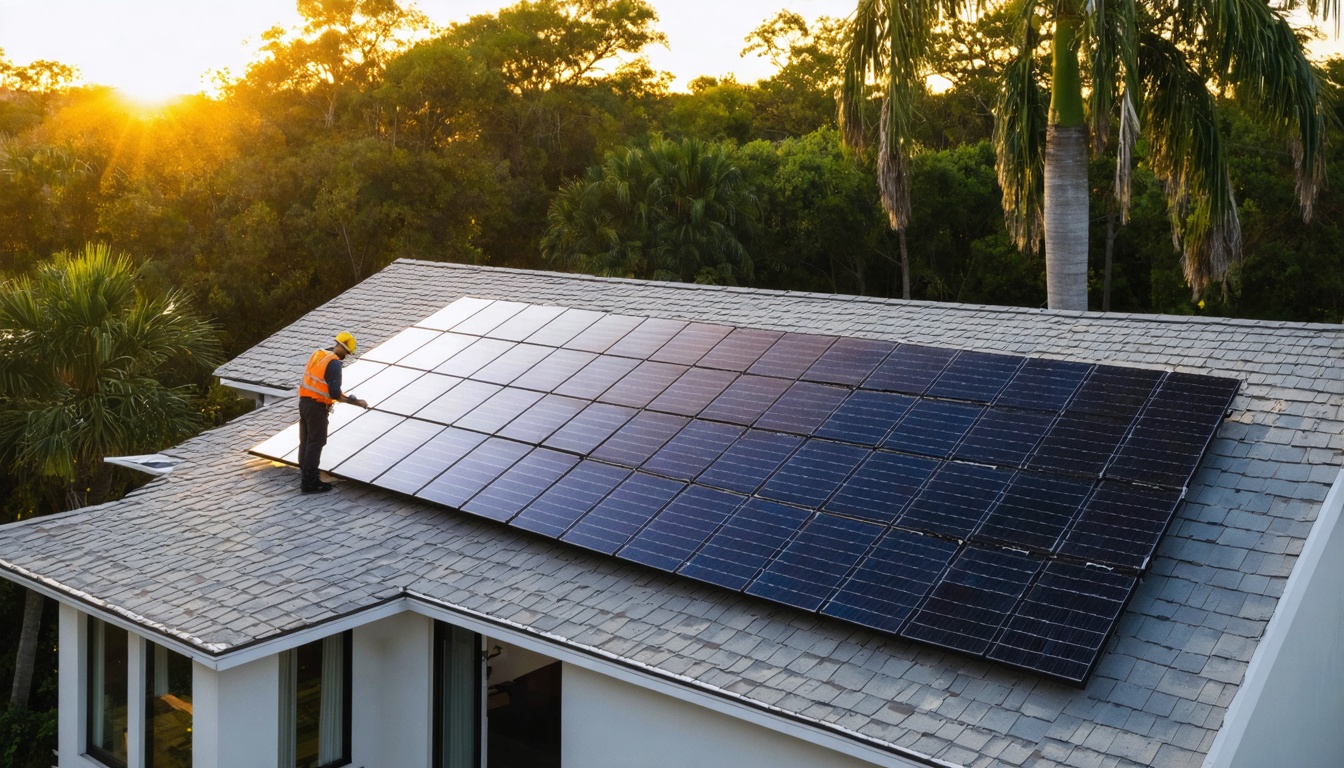
Solar Ready Roof Upgrades That Matter for Homes in Palm Bay, Florida
For homeowners in Palm Bay, Florida, preparing your roof for solar panel installation involves careful consideration of several factors that impact both current efficiency and future property value. Local incentives and stringent building codes play significant roles in the planning process. Firstly, understanding the structural integrity of your existing roof is crucial. Many roofs may require reinforcement to support the additional weight of solar panels. An inspection by a qualified professional can determine whether upgrades are needed. Secondly, orientation and shading are critical elements that affect solar energy production. Roofs that face south or southwest generally receive optimal sunlight throughout the day. Homeowners should evaluate the surrounding environment for any potential shading from trees or nearby buildings. Additionally, it is important to consider the type of roofing material currently in place. Some materials are more compatible with solar installations than others. For example, tile roofs may require specific mounting hardware, whereas asphalt shingles often allow for easier installation. Moreover, understanding local regulations is key. Palm Bay has specific requirements regarding solar installations, including permits and inspections. Homeowners should familiarize themselves with local zoning laws and codes to ensure compliance and avoid penalties. Finally, financial incentives such as tax credits or rebates can significantly impact the cost of solar upgrades. Homeowners should research available programs that may lower initial expenses and enhance the long-term return on investment. In summary, preparing your roof for solar panels in Palm Bay involves structural assessments, evaluations of sunlight exposure, roofing material considerations, adherence to local regulations, and an understanding of available financial incentives. Each of these areas plays a critical role in maximizing the benefits of solar energy for your home.
Importance of Solar-Ready Roofs in Palm Bay
The integration of solar-ready roofs in Palm Bay is a practical consideration for the long-term sustainability of residential properties. This approach aligns with Florida's growing emphasis on renewable energy and addresses environmental concerns that are prevalent in the community.
Builders in Palm County are increasingly adopting designs that facilitate the installation of photovoltaic (PV) panels, which streamlines the process and reduces the need for significant retrofitting in the future.
Implementing solar-ready roofs may positively impact property values as they conform to modern green building practices. Additionally, educational initiatives targeting homeowners and business owners are being developed, which include information on roofing options and developments in solar technology.
Online platforms such as Facebook and LinkedIn serve as avenues for disseminating information, providing resources, and sharing user experiences through reviews.
For those interested in exploring more about solar readiness and its practical applications, additional resources can be found in the "About Us" section, which details strategies for effective solar integration into residential designs.
Structural Factors for Future Solar Installations
When planning for solar panel installation in Palm Bay, it is important to first assess the load-bearing capacity of your roof. This assessment is a critical step to determine if the roof can support the weight and structural requirements of photovoltaic (PV) systems. Conducting this evaluation in accordance with engineering standards will also help ensure compliance with local building codes, contributing to the structural integrity and safety of the installation.
Additionally, considering electrical pathways during home upgrades can improve the efficiency of the solar panel installation process. By pre-planning these pathways, homeowners can significantly reduce the amount of time and resources required for installation, which may lead to cost savings.
Moreover, designing roofs with minimal obstructions enhances their suitability for solar technology. This design consideration can not only optimize the performance of the solar system but also support broader community sustainability efforts and could encourage commercial solar initiatives in the region.
For further information on best practices for solar installations, accessing various resources such as relevant articles, social media platforms (Facebook, LinkedIn), and review sites can provide valuable insights.
Understanding these structural factors is essential in making informed decisions about solar investments in Palm Bay.
Roof Orientation and Layout Considerations
Effective sunlight exposure is critical for the efficiency of solar installations, necessitating a careful assessment of roof orientation and layout before installation. In Palm Bay, Florida, it is generally recommended that builders prioritize south-facing slopes for the placement of photovoltaic (PV) panels, as these areas provide the most direct sunlight exposure. This configuration can enhance energy production and align with renewable energy goals.
A roof with a pitch between 15 and 40 degrees is known to optimize the performance of solar energy systems, making it a preferred choice for installations in Brevard County. Additionally, minimizing obstructions—such as shade from trees or neighboring buildings—is essential for maximizing solar energy generation capabilities.
Contractors who take these factors into account, along with soliciting customer feedback through platforms like Google Reviews, can enhance the design and functionality of solar systems.
This thorough approach contributes to the overall effectiveness of solar installations and further promotes energy efficiency and sustainable practices in development.
Planning Electrical Infrastructure for Solar Integration
Planning the electrical infrastructure of a home is an important consideration for enabling solar integration in the future. In Palm Bay, Florida, it is advisable for builders to incorporate conduit pathways specifically designed for photovoltaic (PV) systems. This methodical approach can streamline the installation of solar panels, ultimately improving the efficiency and effectiveness of the process.
It is also critical to designate appropriate locations for inverters and outline potential sites for solar arrays, as this can enhance the overall management of the system, mitigating possible confusion during installation.
Evaluating potential electrical loads is another significant aspect, as it fosters sustainable practices while adhering to the green building guidelines established in Palm Beach County. Accessing reputable resources, such as industry publications and events related to renewable energy, can offer valuable insights into best practices for roofing and commercial systems that are suited for solar applications.
To gather additional information, individuals may consider consulting online reviews or engaging with professional networking platforms like Facebook and LinkedIn.
Optimizing Roof Space and Load-Bearing Capacity
To prepare a roof for solar panel installation, it is important to conduct a thorough assessment of both the available roof space and its structural integrity. In Palm County, builders must design roofs to support photovoltaic (PV) panel systems while considering long-term sustainability. Reducing obstructions on the roof helps maximize sunlight exposure, which is essential for optimal solar energy production.
For efficient solar panel placement, it is recommended to orient installations southward, particularly in Palm, Florida, where the solar exposure is most favorable. Engaging with roofing services that have a strong understanding of local building codes and structural requirements is essential for ensuring that the roof can bear the weight and installation of solar systems.
Additionally, planning electrical pathways during the design stage can facilitate future upgrades. This strategic foresight may make it easier to integrate additional solar components or electrical systems as technological advancements occur.
For more information on green building practices and the implementation of solar energy, resources such as Google Reviews and social media platforms like Facebook and LinkedIn offer valuable insights and community feedback.
Keeping informed about updates on events and developments in sustainable building practices may further support exploration in this area.
Best Timing for Solar-Ready Upgrades and Renovations
Timing is a critical consideration when implementing solar-ready roof upgrades. Homeowners and developers in Palm Bay, Florida, should coordinate with builders and roofing services when planning roof replacements or significant renovations. This collaboration is important to ensure that the design accommodates future installation of photovoltaic (PV) panels.
Incorporating solar-ready features during the initial design phase of housing projects can provide cost efficiencies and facilitate a more streamlined permitting process within the county.
Employing engineered systems and following green building practices can enhance a project's sustainability and optimize its potential for renewable energy utilization.
For further information and community engagement, individuals can access resources on platforms like Facebook, LinkedIn, and Google Reviews, which include information about upcoming events and relevant news.
Additionally, reviewing the Privacy Policy associated with these platforms is recommended to understand one's rights. For inquiries about the organization, interested parties can consult the About Us section for more structured content.
Selecting Materials Compatible with Solar Technologies
The selection of roofing materials is an important aspect for homeowners in Palm Bay considering future solar panel installations. Recommended materials include asphalt shingles and metal roofing that are explicitly designed to accommodate photovoltaic (PV) systems. These materials are chosen for their durability and ability to sustain the structural demands associated with solar energy systems.
In Florida's diverse climate, it is advisable to select treated, impact-resistant roofing materials to safeguard residential properties. This choice is particularly relevant due to the state's susceptibility to severe weather conditions.
Furthermore, incorporating underlayments that provide high thermal resistance can enhance the overall energy efficiency of the home, which is a significant factor for homeowners aiming to optimize their solar energy systems.
Homeowners seeking additional information and community interaction may utilize resources such as Google Reviews or engage with social media platforms like Facebook or LinkedIn. Relevant information about news, events, and company profiles can often be found on respective websites, which typically maintain compliance with applicable privacy policies and terms of service.
Insurance and Permitting Benefits for Solar-Ready Roofs
Choosing a solar-ready roof in Palm Bay can simplify the permitting process required for solar panel installation, thereby reducing both time and effort involved.
Solar-ready roofs are specifically designed to accommodate solar panels, a factor that is often recognized by insurance companies, potentially resulting in lower premiums and better coverage options for homeowners. By documenting the inclusion of solar features and following sustainable design guidelines, homeowners align themselves with Palm County's housing and green building initiatives, indicating their commitment to environmentally responsible practices.
There is a growing awareness among builders and service providers in Palm Bay regarding the advantages of renewable energy solutions.
Incorporating photovoltaic (PV) readiness in roofing designs allows for easier future installation of solar panels, reducing potential complications during that phase.
Furthermore, the design of systems intended for both commercial and residential applications aids in clarifying property rights and responsibilities linked to solar installations. This provides homeowners with a framework to effectively navigate the related regulations and permitting requirements.
Choosing Qualified Roofing Contractors in Palm Bay
When selecting a roofing contractor in Palm Bay for a solar-ready upgrade, it is important to approach the decision-making process methodically to ensure an informed choice. Start by verifying that the contractor holds an active Florida Construction Industry Licensing Board (CCC or CGC) license. This certification indicates that the contractor complies with state regulations and adheres to industry standards.
Due to the specialized nature of solar-ready upgrades, it is beneficial to select contractors who have experience in renewable energy applications, specifically in the installation of photovoltaic (PV) panels and green building design. For expert guidance on solar system installations, consider consulting Solar System Installation Experts. Their specialized knowledge can enhance the effectiveness and feasibility of your roofing project.
Evaluating the contractor's reliability and customer satisfaction can be achieved by reviewing feedback on platforms like Google Reviews, Facebook, and LinkedIn. A pattern of positive reviews across these platforms may suggest a reputable contractor with a solid service record.
It is advisable to request clear written specifications detailing the scope of the services offered, the materials to be utilized, and the engineering systems designed for the unique requirements of homes in the local area. This documentation will clarify expectations and provide a framework for comparing different bids.
Furthermore, it is crucial to ascertain the contractor's readiness to respond to storm-related issues, as Palm Bay and neighboring regions are susceptible to severe weather. Understanding the contractor's plans for addressing such scenarios can contribute to the resilience of your roofing project.
To remain informed about industry standards and trends, consider attending local events or exploring relevant news articles.
Additionally, it is wise to review the contractor's privacy policy and terms regarding data protection to ensure that your personal information is safeguarded.
Conclusion
Preparing your roof for solar energy installation in Palm Bay involves careful planning and consideration of several practical factors. This process not only aims to enhance the long-term sustainability of your residence but also contributes to potential increases in property value and energy efficiency. Key aspects to evaluate include: 1. **Structural Integrity**: Ensuring that your roof can adequately support solar panels is essential. This may require an assessment of the roof's current condition and, if necessary, structural reinforcements. 2. **Orientation**: The positioning of your roof plays a significant role in solar energy production. South-facing roofs typically receive the most sunlight throughout the day, making them ideal for solar installations. 3. **Material Selection**: The type of roofing material can affect both the installation process and the longevity of the solar system. Certain materials, like metal roofs, can facilitate easier mounting of solar panels compared to others. 4. **Electrical Planning**: A comprehensive evaluation of your electrical system is important for integrating solar technology. This includes examining existing wiring and the capacity of the electrical panel to accommodate additional solar energy input. Working with qualified, local contractors can help ensure that these factors are adequately addressed. By making the necessary upgrades now, homeowners can prepare their roofs for solar energy systems, optimizing their readiness to capitalize on the benefits of solar power when they choose to proceed.